


 Korean



Seagate and WD released separate AI storage studies days apart, with contrasting headline figures: Seagate reports 99% of enterprises anticipate AI-driven storage requirement growth over the next three years, while WD’s IDC-backed research cites a 74% comparable figure. Fine-print analysis confirms aligned core trends across both reports: AI generates exploding data volumes, enterprises plan longer-term data retention, and storage infrastructure now carries greater weight in AI infrastructure planning than GPU-centric discussions of prior years.

The divergent top-line numbers stem from inconsistent measurement methodologies. Seagate’s Data Infrastructure Readiness Report surveyed over 2,700 enterprise tech decision-makers across seven markets. WD partnered with IDC to poll 763 IT and business leaders overseeing AI architecture and storage across seven countries. Varied survey questions, threshold standards and sample sizes widen the apparent numerical gap between the two studies.
The Numbers Differ Because the Questions Do
Seagate’s findings show 99% of respondents expect any storage requirement increase from AI in three years, with 70% forecasting a minimum 26% rise and 32% projecting growth exceeding 50%. While 83% deem their teams fully or mostly prepared for AI data demands, only 38% confirm full long-term readiness.
WD’s study focuses on realized and upcoming growth. IDC’s data shows 94.7% of businesses have expanded storage volumes over the past year due to AI and generative AI adoption, with 61% recording data growth of 25% or higher. Moving forward, 74% expect at least 25% storage growth in the next three years.
The 99% vs 74% discrepancy is misleading: Seagate’s metric covers any growth, while WD’s 74% only accounts for growth of 25% or more. The two reports align closely on evolving enterprise data value and lifecycle trends. WD found 74.3% of firms extend data retention cycles for AI/GenAI use cases, 75.9% increasingly restore cold archived data to active tiers, and 96% see faster archive retrieval as essential for AI inference and retrieval-augmented generation workflows. An equal 75.9% note synthetic dataset enrichment boosts existing data value and creates new data stores, further driving storage expansion.
WD’s research also reveals 74.6% of enterprise data resides in warm, cool and cold storage tiers, with over 60% of data lake capacity sitting in rarely accessed cold tiers. Rising AI workloads are blurring traditional boundaries between active and archived data, amplifying demand for flexible tiered storage architectures.
Storage Is Part of a Larger AI Readiness Problem
Seagate’s study frames storage as a critical piece of broader AI infrastructure challenges. Respondents ranked data quality and readiness as the top AI deployment barrier (53%), followed by storage infrastructure limitations (43%), compute availability gaps (27%), and energy constraints (24%). This ranking recalibrates mainstream AI infrastructure discourse, which has long prioritized GPU compute above all else.
While GPUs remain a key spending priority, enterprises rank security and compliance first (44%), data management and governance second (43%), with AI/GPU infrastructure upgrades and storage hardware refreshes tied at 39%. Energy sustainability is reshaping deployment strategies: 77% of organizations have delayed or restructured infrastructure expansions due to power and sustainability limitations.
WD’s data reinforces these trends via the modern data lifecycle. Legacy cold-stored data now requires rapid reactivation for AI inference and RAG workflows, forcing enterprises to balance capacity, accessibility, performance and cost across multi-tier storage systems. When ranking AI storage priorities, buyers place security and data protection first (58.1%), followed by reliability and durability (49.7%) and performance (48.4%), with raw media cost ranking fourth (44.2%).
Key Takeaways for Storage Buyers
Neither study endorses a single storage technology, but both validate AI’s sustained upward pressure on storage demand, with WD’s data additionally confirming longer data retention and growing cold-data reactivation needs. Seagate advocates workload-aligned multi-tier architectures that optimize performance, capacity, efficiency and long-term data value by dataset. WD’s tiering data supports this strategy, as most enterprise data lives outside high-performance hot tiers while fast archive access becomes increasingly critical for AI operations.
Modern storage planning now extends far beyond simple capacity expansion, requiring strategic decisions on data retention volumes, tiered access speed requirements, and long-term management costs. While HDD vendors emphasize media cost advantages, buyer priorities lean toward security, durability and performance over raw pricing.
Flash storage addresses the power and space constraints shaping modern data center expansions. The 77% of firms delaying expansions due to power limits creates clear opportunities for high-capacity QLC flash solutions. Industry testing verifies flash’s transformative efficiency gains: a single 245TB SSD replaces eight 30TB nearline HDDs in standard server hardware, operating at 170.2W under full sequential writes — less than the 173.5W idle power draw of the equivalent HDD array. At exabyte scale, flash deployments occupy just 6 racks versus 22 for maximum-density HDD setups.
HDDs retain superior per-terabyte upfront acquisition costs, keeping them dominant for fast-growing cold and archive storage tiers. However, in power and space-constrained AI data centers, high-density flash delivers indirect value by freeing critical power and rack resources to support additional GPU compute, a key cost-benefit dimension absent from HDD-focused industry surveys.
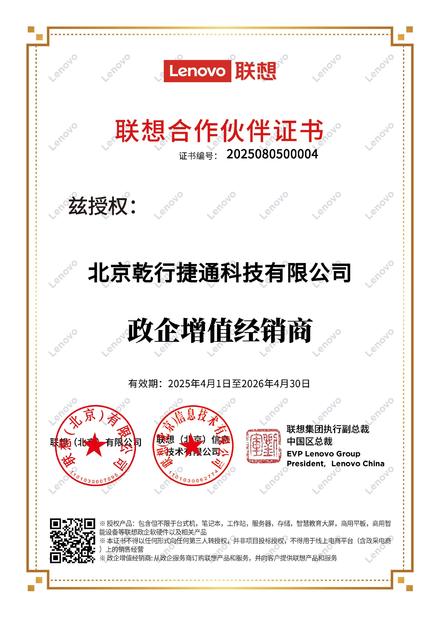
Beijing Qianxing Jietong Technology Co., Ltd.
Sandy Yang/Global Strategy Director
WhatsApp / WeChat: +86 13426366826
Email: yangyd@qianxingdata.com
Website: www.qianxingdata.com/www.storagesserver.com
Business Focus:
ICT Product Distribution/System Integration & Services/Infrastructure Solutions
With 20+ years of IT distribution experience, we partner with leading global brands to deliver reliable products and professional services.
“Using Technology to Build an Intelligent World”Your Trusted ICT Product Service Provider!